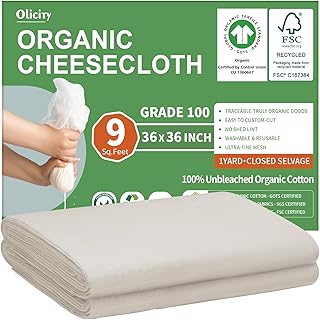
Cheesecloth is one of those humble kitchen essentials that often goes unnoticed until you need it. This versatile, gauzy cotton fabric is a powerhouse for culinary tasks, from straining yogurt and making cheese to creating a perfectly clear broth. But not all cheesecloth is created equal. Understanding the different grades, materials, and features is key to finding the perfect cloth for your project.
What is Cheesecloth and What Are Its Uses?
Traditionally associated with cheesemaking, cheesecloth is a lightweight, loose-woven cotton fabric. Its open weave allows liquids to pass through while trapping solids, making it ideal for straining. Beyond its namesake use, it's invaluable for straining stocks and broths to remove impurities, bundling herbs for a bouquet garni, wrapping and pressing tofu, and even polishing glass without leaving lint. For crafters, it's a popular material for ghost costumes, rustic gift wrapping, and fabric dyeing projects.
Understanding Cheesecloth Grades: From Loose to Ultra-Fine
The "grade" of a cheesecloth refers to the number of threads per inch in each direction. A lower grade (like Grade 10) has a very open, loose weave, while a higher grade (like Grade 90 or 100) is much denser. For most kitchen tasks requiring a fine strain, Grade 100 cheesecloth is the gold standard. Often called "butter muslin," its ultra-dense weave captures the tiniest curds for cheese making or yields crystal-clear liquids. Products like the Cotton Farm Grade 100 XL Cheese Cloth exemplify this premium category, offering superior straining performance.
Key Features to Look For in Quality Cheesecloth
When shopping, several features determine quality and usability:
Material: Always opt for 100% cotton. Unbleached cotton cheesecloth is free from chemical treatments, making it a safer, more natural choice for food contact. Bleached versions, like the GoodCook Everyday 100% Cotton Cheesecloth, are white but may retain residual chemicals.
Edges: Look for hemmed or closed edges. This prevents fraying, extends the cloth's life, and makes it much easier to handle when wet and heavy. The 12Pcs Reusable Cheese Cloths with four hemmed edges are a great example of durable construction.
Certifications: For the most eco-conscious choice, seek out organic certifications. The Organic Cheese Cloths, GOTS Certified ensure the cotton was grown and processed under strict organic and ethical standards.
Top Picks for Different Needs
Your ideal cheesecloth depends on the job. Here are some top recommendations based on common uses:
For Serious Cheesemaking & Fine Straining: Invest in a large, high-grade cloth. The 36x36 inch size of the Cotton Farm Grade 100 cloth provides ample coverage for draining cheese molds or straining large batches of stock.
For Everyday Kitchen Tasks: A multi-pack of precut, medium-sized cloths is incredibly convenient. The 6-Pack Beige Cheesecloth or the High-Grade 100 Cheesecloth – 6-Pack are perfect for straining nut milks, bundling herbs, or lining a sieve.
For Crafts and Multi-Purpose Use: A larger pack like the Mostdream Cheese Cloths, 10Pcs offers great value for frequent users who need cloths for both cooking and DIY crafts.
Care and Reusability: Getting the Most from Your Cloth
A major advantage of quality cotton cheesecloth is its reusability. After use, rinse it immediately in cold water to remove food particles. For deeper cleaning, hand-wash or machine wash in a lingerie bag on a gentle cycle with mild detergent. Avoid fabric softeners, as they can clog the weave. Always air dry. With proper care, a single cloth, especially a hemmed one, can be used dozens of times, making it a sustainable and economical choice compared to disposable options.
Whether you're a home cheesemaker, an avid cook, or a creative crafter, having the right cheesecloth on hand opens up a world of possibilities. By focusing on grade, material, and construction—like the durable, food-safe options linked throughout this guide—you can ensure successful results in all your straining and filtering projects. For a deeper dive, check out our comprehensive Cheesecloth Guide: Uses, Types & How to Choose the Best Fabric.